Cindy Teevens – Buddha at the Gas Pump Interview
Six years after the suicide of her father, in one moment her own intense suffering was swapped for mind-blowing joy, altering her life permanently. Happiness and peace became her predominant states. Laughter exploded at the simplicity and power of the shift, and tears of gratitude flowed.
Understandings began to come about how we have been living backwards, how we have mistaken the outside for the inside, and how we have tethered ourselves to the uncontrollable winds of change in the midst of freedom—and how we can return to truth, sanity, and peace.
She dropped everything she was doing to show people how to feel good no matter what because when you shift your state, problems dissolve, villains become victims, and compassion kicks in. So much gratitude came with this revelation, she began helping people awaken love and joy in their lives.
Months after discovering joy, one day in the woods she was knocked to her knees by an explosion of love that ended the imaginary separation of self and other, speech fell away, and all she could do was laugh and cry at the cosmic joke.
Forty years of self baggage suddenly fell away. The thinker and speaker she thought she was, was gone. Yet the Self remained. Cindy is writing about that “direct seeing” of Self in a third book she is working on.
She is the author of Alchemy – How to Feel Good No Matter What, and The Happiness Lie: What Generations Have Been Told That Makes You Unhappy.
Website: http://alchemylovejoy.com
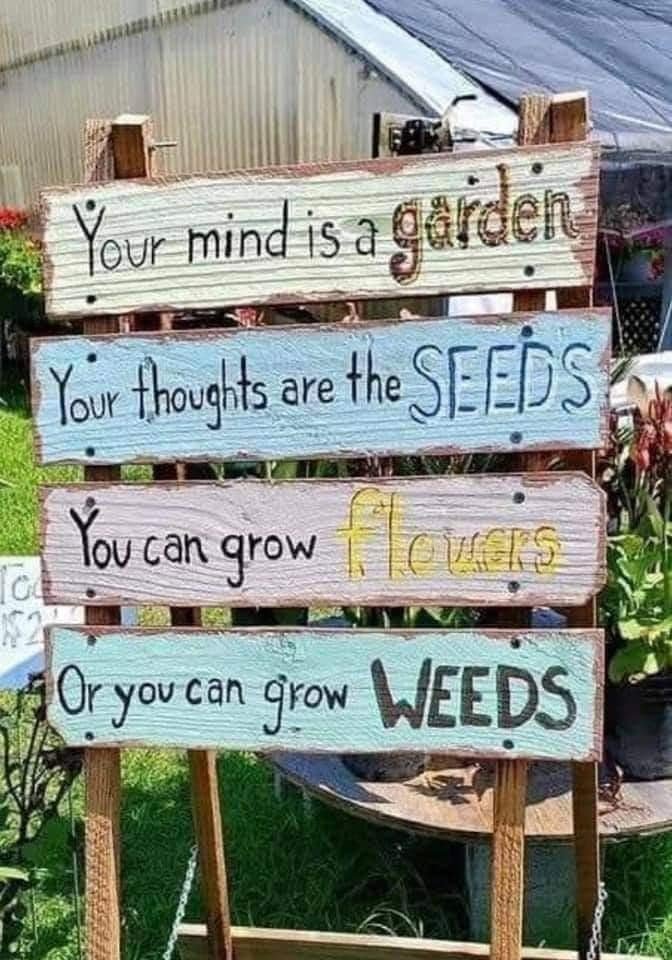

Social systems are highly vulnerable to psychological dynamics.
Psychological Projections and “In-Groups”
The phenomenon of a group projecting its own history or guilt onto an “out-group” is a well-documented concept in social psychology known as scapegoating.
* When a society or group faces a deeply uncomfortable truth about its history, it often experiences intense cognitive dissonance.
* To alleviate this psychological discomfort, individuals or groups may seek out a historically marginalized target—an “out-group”—to carry the unconscious heavy burden of blame.
See DARVO
* This deflects accountability and allows the dominant “IN-group” to maintain a positive self-image (false ego pride).
See DARVO
The Crucifixion as a Archetypal Narrative: See DARVO
The narrative of Jesus aligns with what historians and sociologists call an archetypal human behavior pattern.
* Across different eras, human crowds frequently display a mob mentality when confronted with truth, discomfort, or societal stress.
* Rather than engaging in collective self-reflection, historical groups have repeatedly unified themselves by targeting, condemning, and punishing a single entity or minority group.
(See: scapegoating and DARVO )
* This DARVO pattern of fear based human behavior has remained remarkably consistent across thousands of years of human history.
Major fact-checking and societal hurdles: [1]
* The Trust Deficit: Research shows that individuals who are deeply entrenched in conspiracy theories or extremist echo chambers rarely change their minds when presented with an automated “false” label. Instead, they often claim the fact-checker itself is part of a biased cover-up.
* Historically, human cultures have used scapegoating during times of economic or social crisis.
[1] [ https://today.duke.edu/2021/03/don%E2%80%99t-online-outrage-look-inward )
In modern psychology, DARVO describes a reaction where a perpetrator avoids accountability by denying wrongdoing, attacking the accuser’s credibility, and claiming to be the true victim. Babylonian legal codes—most famously the Code of Hammurabi —did not just allow this behavior; they codified it into state policy to protect the “powerful”.
Cognitive biases are systematic, and subconscious...
Cognitive biases are systematic, and subconscious...
Cognitive biases are systematic, subconscious errors in thinking and decision-making caused by mental shortcuts (heuristics) or personal preferences. Recognizing these twelve common biases can significantly improve your reasoning, investments, and daily judgment.
The 12 Common Cognitive Biases
Confirmation Bias: The tendency to search for, interpret, and favor information that confirms your preexisting beliefs while ignoring contradictory evidence.
Anchoring Bias: The reliance too heavily on the first piece of information encountered (the “anchor”) when making decisions, even if it is irrelevant.
Availability Heuristic: Estimating the likelihood of events based on how easily examples come to mind, leading to an overestimation of dramatic or recent events.
Dunning-Kruger Effect: A phenomenon where people with limited knowledge or competence in a domain greatly overestimate their own expertise or intelligence.
Sunk Cost Fallacy: The continuation of a flawed endeavor because of unrecoverable resources (time, money, or effort) already invested.
Halo Effect: The tendency to let your overall impression of a person or brand influence how you feel about their specific character or traits (e.g., assuming an attractive person is also highly intelligent).
Bandwagon Effect: The adoption of certain beliefs or behaviors primarily because many other people are doing so; also known as groupthink.
Hindsight Bias: The inclination to see past events as having been entirely predictable, often summarized as the “I knew it all along” phenomenon.
Self-Serving Bias: The habit of claiming credit for personal successes while attributing failures or mistakes to external circumstances or bad luck.
Survivorship Bias: The logical error of focusing only on successful outcomes and ignoring failures, leading to a distorted perception of reality (e.g., studying only successful startups to learn how to run a business).
Ostrich Effect: The subconscious decision to ignore dangerous, negative, or painful information, equivalent to “burying your head in the sand”.
Blind Spot Bias: The tendency to see oneself as less biased and more objective than other people
One and the same.
~Marshall Rosenberg
🌺🌺🌺
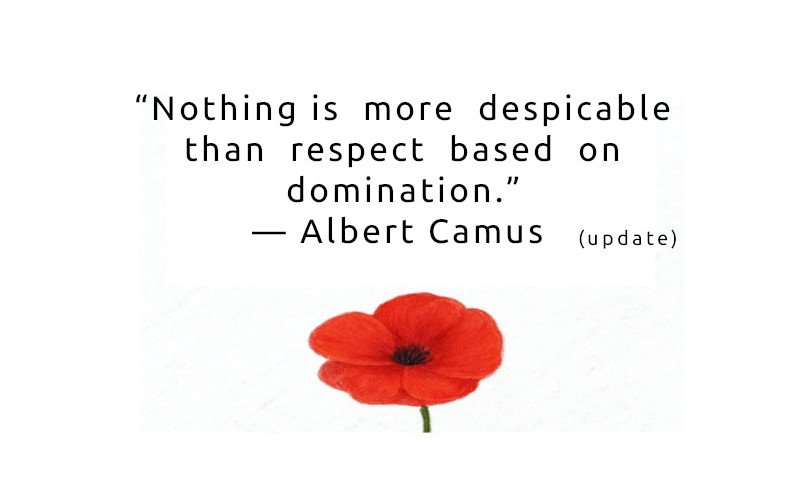
“Nothing is more despicable than
respect based on domination.”
🌺🌺🌺
“The finest emotion of which we are capable is the mystic emotion. Herein lies the seed of all art and all true science. Anyone to whom this feeling is alien, who is no longer capable of wonderment and lives in a state of fear is already dead.
~Albert Einstein
🌺🌺🌺
..::”For me, the Jewish religion, like all others, is an incarnation of the most childish superstitions… And the Jewish people have no different quality for me than all other people”.
🌺🌺🌺
Einstein viewed the “cult of individuals” as unjustified and often in bad taste, noting that it was unfair to select a few for “boundless admiration” while ignoring everyone else.
(He explicitly stated he could not see anything “chosen”
about Jewish people)
”Refusing humility traps you in delusion.
"The finest emotion of which we are capable is the mystic emotion. Herein lies the seed of all art and all true science. Anyone to whom this feeling is alien, who is no longer capable of wonderment and lives in a state of fear is already dead.
~Albert Einstein
🌺🌺🌺
..::"For me, the Jewish religion, like all others, is an incarnation of the most childish superstitions... And the Jewish people have no different quality for me than all other people".
🌺🌺🌺
Einstein viewed the "cult of individuals" as unjustified and often in bad taste, noting that it was unfair to select a few for "boundless admiration" while ignoring everyone else.
(He explicitly stated he could not see anything "chosen"
about Jewish people)
”Refusing humility traps you in delusion.
One and the same.
~Marshall Rosenberg
🌺🌺🌺
“Nothing is more despicable than respect based on fear.”
🌺🌺🌺






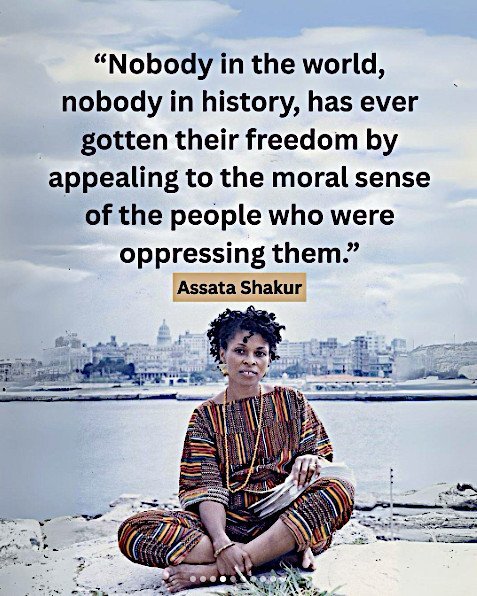

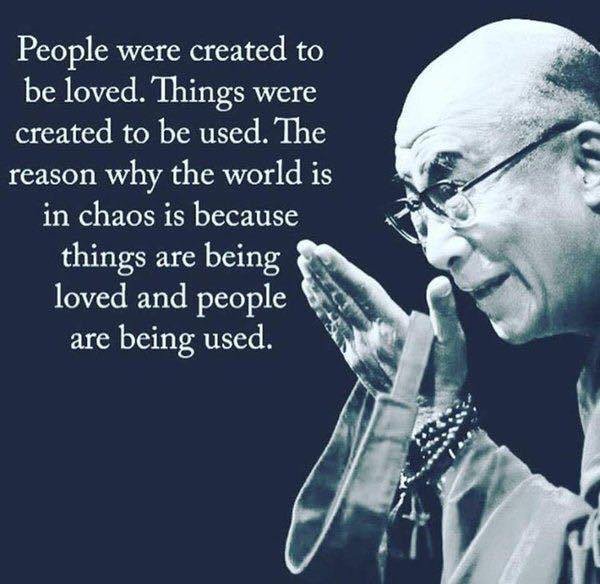



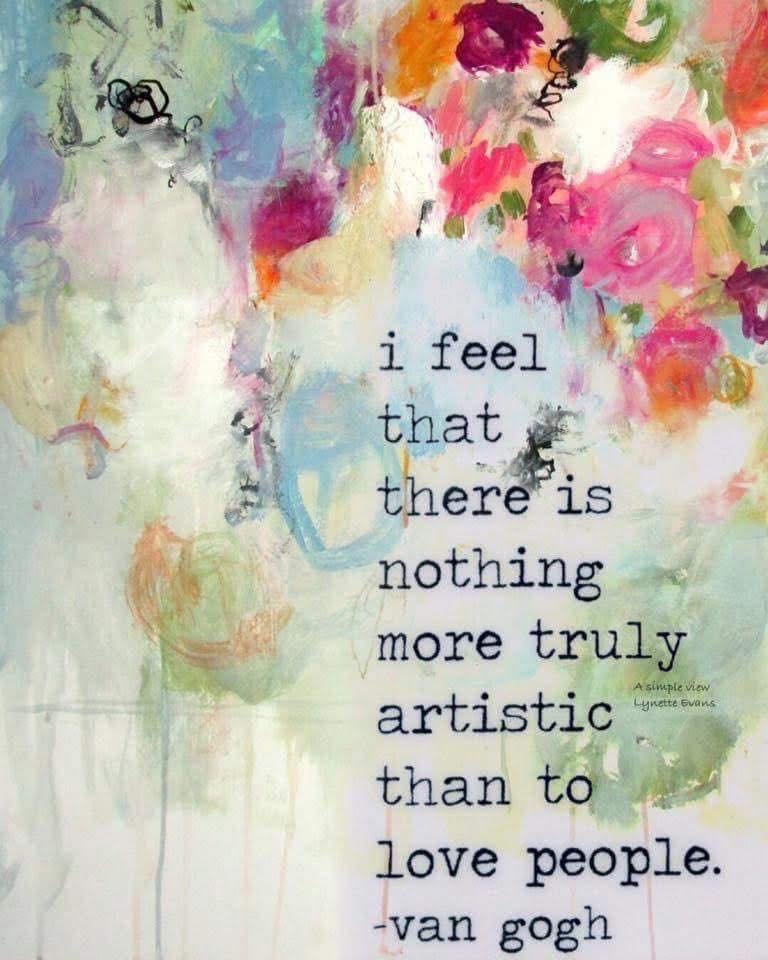






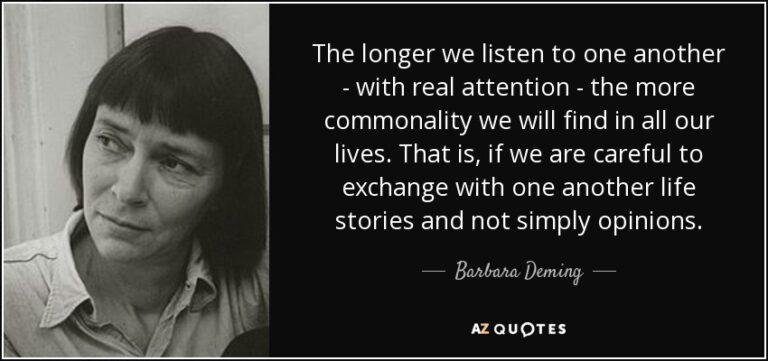
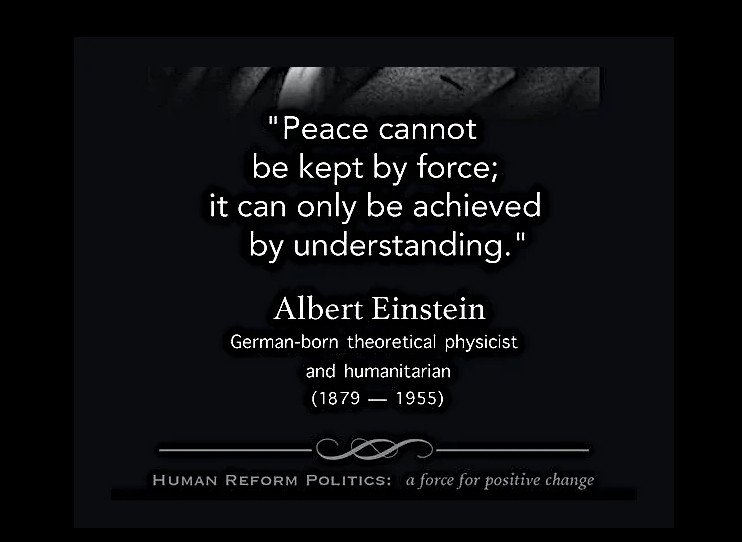

Imagine living on the only known planet in the infinite universe, where the mortified rich get richer by colonizing the people to follow debunked dogma, repeating an ancient doctrine of war, projected onto innocent children, again and again, the rich get richer, and the children inherit a brutal indoctrination instead of Living Sacred Life. https://empathymatters.org/armageddon/
The phrase “Domination leads to Ritual Sacrifice” bridges the gap between historical sociology and ancient anthropology.
Throughout history, domination—the exertion of control, barbaric power, or authority over others—has frequently been inextricably linked to ritual human sacrifice.
This connection manifests in both structural power dynamics and ancient religious practices.
The transition from domination to human sacrifice is essentially the barbaric projection of unhealed guilt onto other human beings, often innocent children.
What’s #memoricide ?
It’s time to save our stories, our history, our truth.
#emmaswords #wordsmatter
via Brad Blinstrub ” Amen. What we are seeing is the march of the Khazars. A disaster renamed Israel.
via EnterTheUnseen ” If you truly understand the bridge between Spirit & psyche, you’d NEVER condone forcing religious beliefs on others &/or disempowering people’s spiritual decision making. It’s abusive behavior that breeds religious trauma, which creates fear-based neural associations to divinity.
1 of 3